When Chemonics began working in Syria in early 2013, the country was in the grip of escalating conflict. Access was constrained, operating conditions were volatile, and programme delivery quickly came to rely on trusted Syrian staff and partners embedded in communities across the country, supported by remote management.
For more than a decade, that model enabled Chemonics to continue delivering despite shifting front lines and changing conditions. Then, in December 2024, the fall of the Assad regime opened a new chapter. On 5 July 2026, Chemonics celebrated the opening of its Damascus office, marking 14 years of work alongside Syrian communities and institutions and looking ahead to Syria’s recovery.
At the centre of that story is the FCDO-funded Syria Education Programme, known as Manahel, which relocated its leadership from Gaziantep to Damascus and adapted its operating model to work more closely with the national Ministry of Education – without interrupting delivery.
Fourteen Years of Delivery Under Pressure
Chemonics’ work in Syria has spanned multiple programmes across some of the country’s most difficult years. Through the Syria Regional Program, Chemonics worked with local partners to sustain essential services, strengthen governance and civil society, support media and education systems, and rehabilitate critical infrastructure. The reach was substantial: more than one million people in communities across the country.
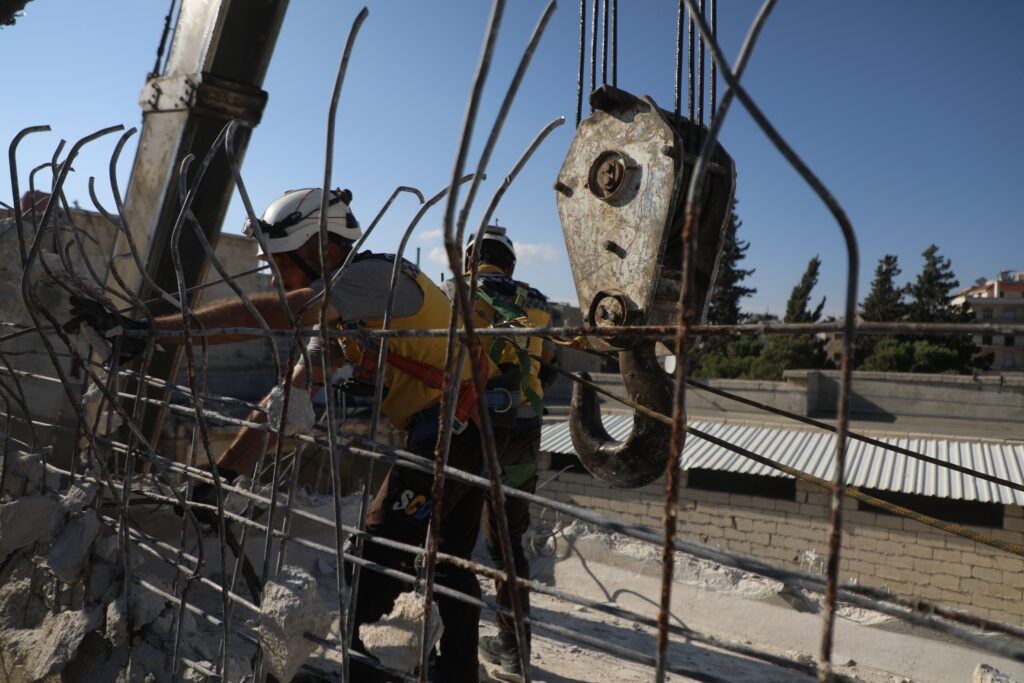
Central to that work was a long-standing partnership with the Syria Civil Defense — the White Helmets — which began through the Syria Regional Program and continued through follow-on initiatives, including the White Helmets Assistance Program. Over a decade of support, Chemonics helped strengthen training, operational systems, and organisational capacity for more than 3,000 Syrian responders. Their work saved more than 127,000 lives and contributed to documentation efforts that can support future accountability processes.
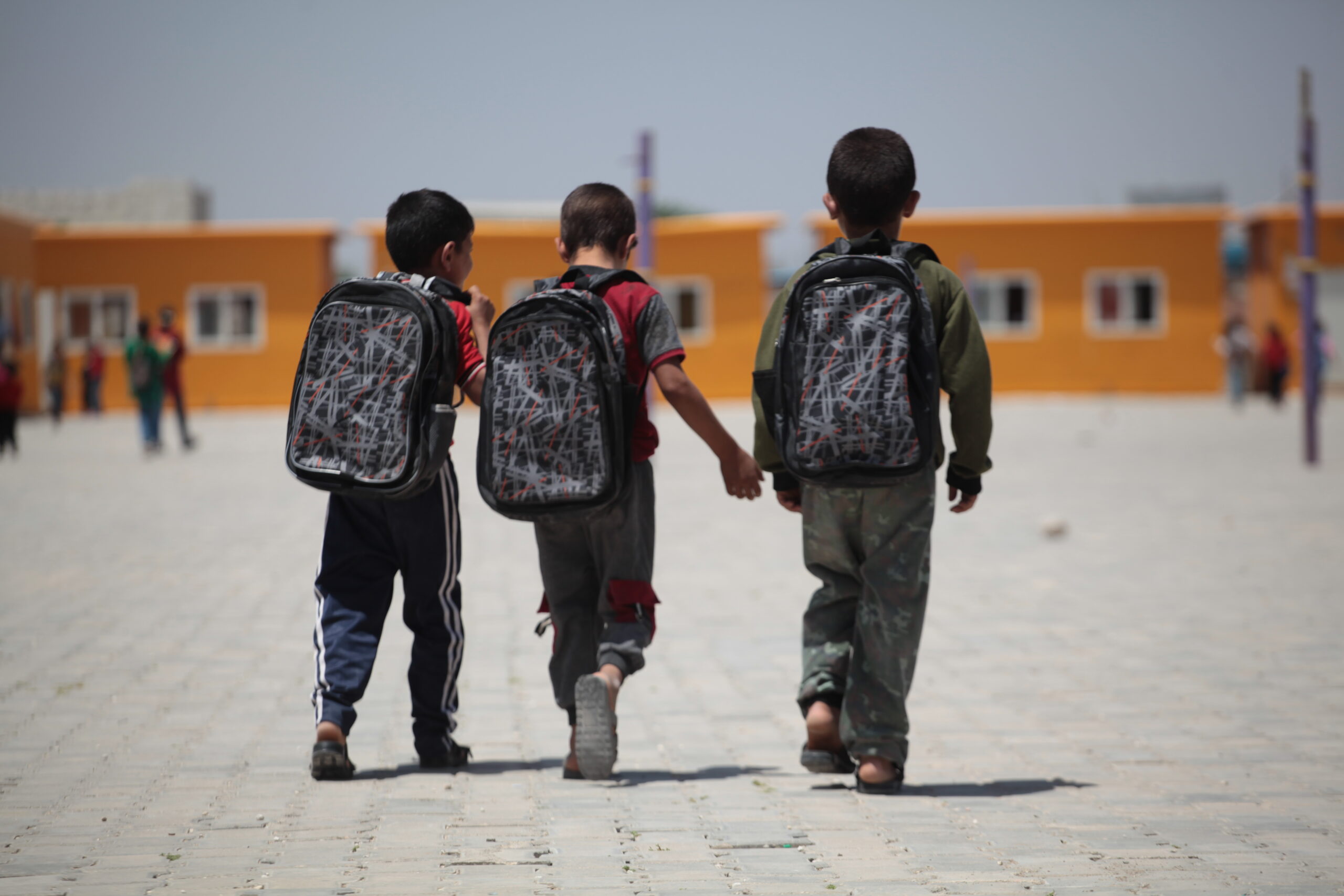
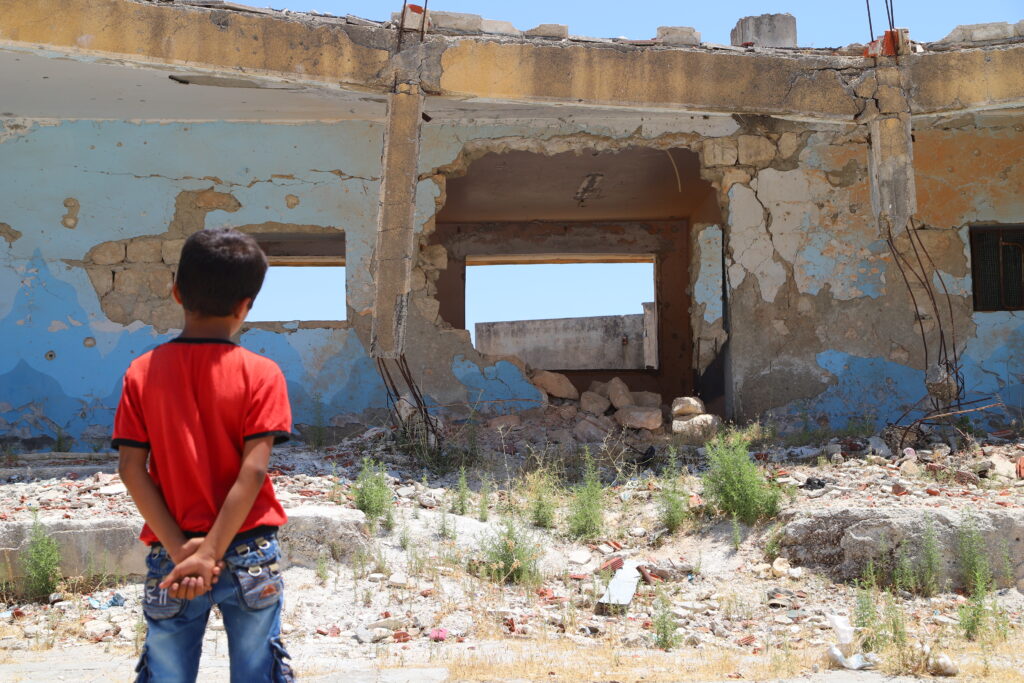
In education, Chemonics supported access to safe, quality schooling across northwest and northeast Syria and in rural Damascus through the Syria Education Programme, known locally as Manahel, along with its predecessor programme, Idarah and sister programme, Injaz. Manahel alone reached more than 950,000 students while strengthening education systems with directorates in Aleppo and Idleb. Injaz supported more than 12,300 children through learning and vocational activities, reached more than 19,000 people including caregivers and community members with psychosocial support, and rehabilitated schools across post-ISIS areas of northeast Syria.
The Transition
The transition of the Syria Education Programme II (Manahel) from Turkey to Syria tells the operational story in granular detail. For years, Manahel was managed from Gaziantep in southern Turkey. That was the right model for its context: a crisis-response programme operating in opposition-held northwest Syria, delivering directly to communities under conflict conditions, unwilling to engage with the Assad regime. With the fall of the regime in December 2024, these obstacles began to fall away, and Chemonics began to shift its operations to Syria and to work directly with the government, particularly the Ministry of Education.
The transition involved several simultaneous shifts. The implementation management team of around 20 staff relocated from Turkey to the new Chemonics Damascus office, alongside key partner organisations. The implementation model evolved from direct delivery and stipend-based support to include systems strengthening and national-level technical assistance, with new Ministry of Education workstreams embedded within government structures. At the same time, a new operational platform was established in Syria, including local registration, tax, and social security arrangements, supported by a new operations team.
What makes this transition particularly significant is not just its scale — it is the fact that delivery never stopped.
Delivering Progress Through the Transition
While the programme was restructuring, it continued to reach students. Rehabilitation and learning materials reached over 228,000 students during the transition period in late 2025 and early 2026. Light rehabilitation was completed in 375 schools, medium rehabilitation across 56 schools. More than 12,000 desks, 1,750 whiteboards, and 210 resource rooms were delivered. The TEGLA learning assessment ran at scale, reaching 76,838 students across 375 schools. Over 125,000 learners were kept in structured support through the After-School Continuity model during the change. Without expanding its budget, the programme added 150 schools and around 46,000 students.
When the new Ministry of Education moved to take ownership of teacher salaries, Manahel welcomed the shift as a sign of exactly the kind of national leadership the programme had long worked to support. Rather than stepping back, the team worked with the Ministry to identify where Manahel’s experience and relationships could add most value. Direct support to teachers and schools continues as before, while four new workstreams — teacher support, safeguarding, learning assessment, and special education — have been structured to build capacity within specific government departments, with the Ministry firmly in the lead.
Three factors made the transition possible: continuity, adaptability, and alignment. Fourteen years of engagement in Syria created relationships, credibility, and institutional knowledge that could not be built overnight. The programme team adapted its operating model, staffing structure, and ways of working while continuing to deliver results. Today, as Syria enters a new phase, Manahel’s shift from direct delivery towards technical assistance aligns with the Ministry of Education’s priorities and long-term ownership of reform.