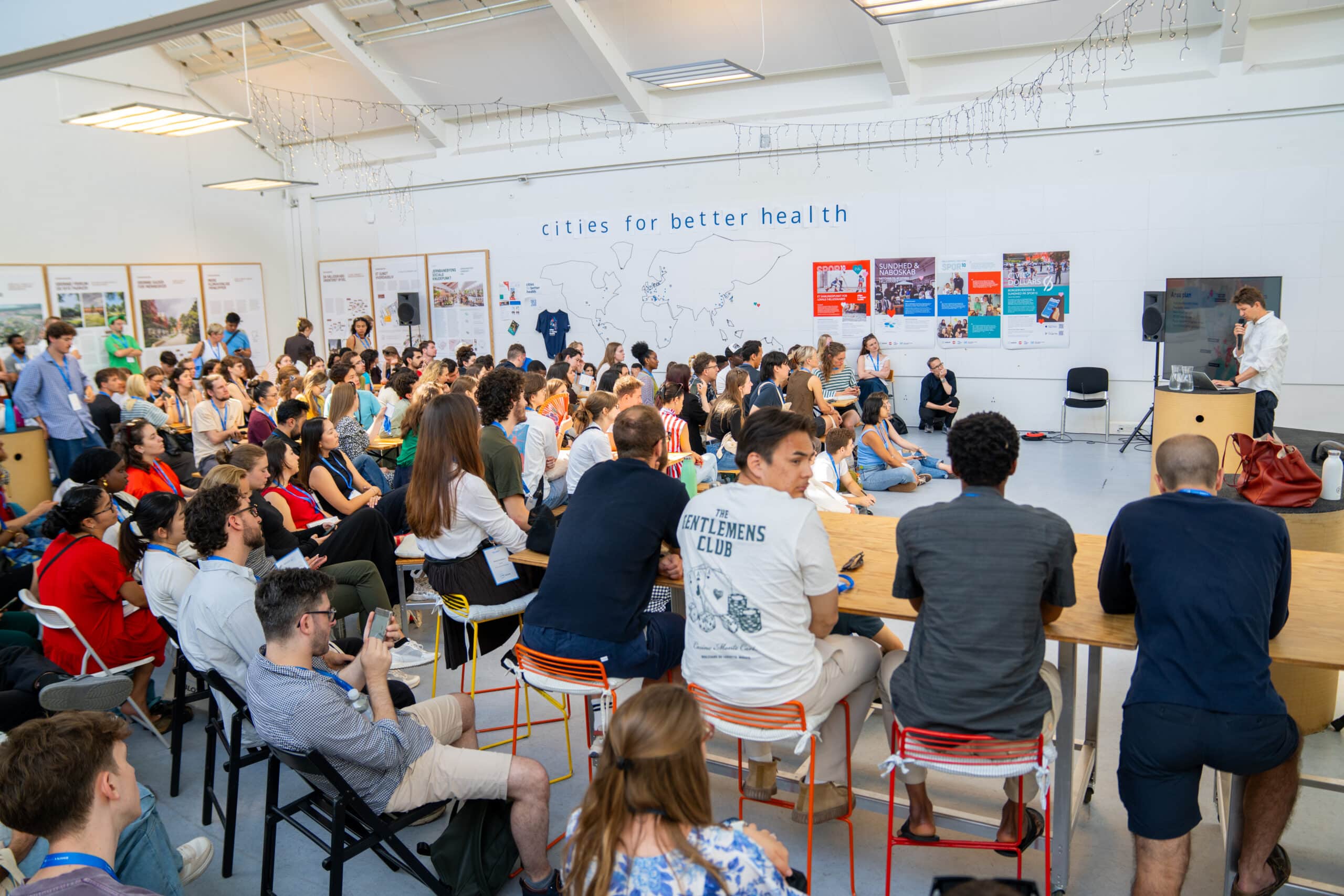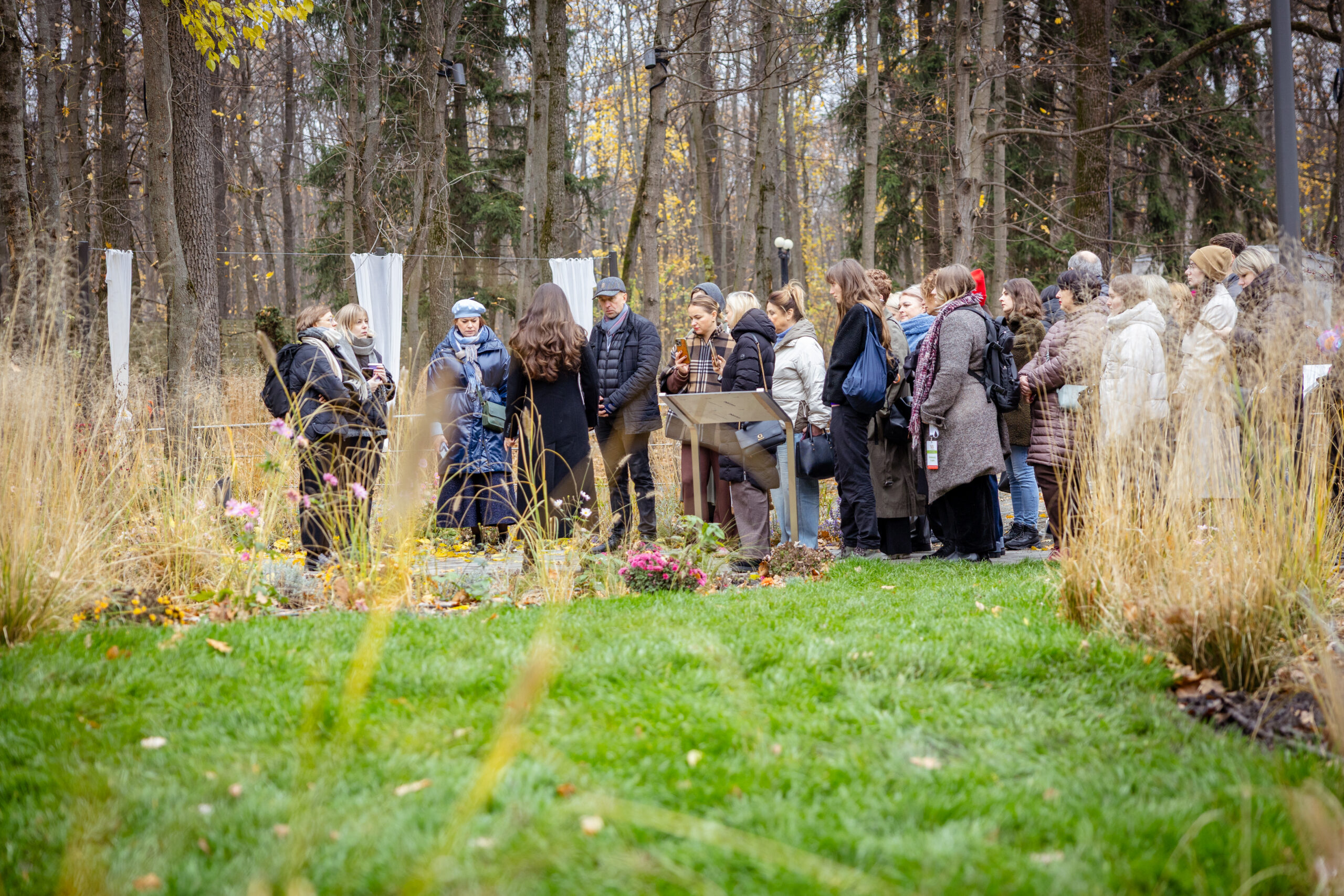
The Partnership Fund for a Resilient Ukraine (PFRU), implemented by Chemonics UK, launched the Culture for Recovery Platform (CuRe), a cross-sectoral initiative designed to strengthen the role of culture as a catalyst for national recovery, social cohesion, and sustainable development.
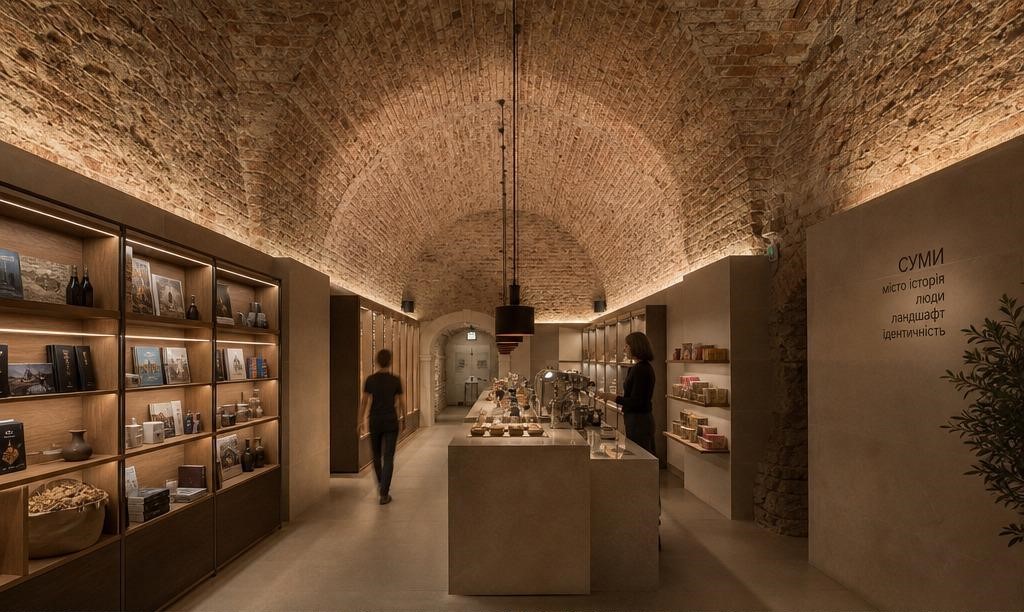
As part of the initiative, communities across Ukraine are developing practical solutions that integrate culture into recovery and local development. For instance, in Sumy, a northeastern Ukrainian city near the Russian border, local stakeholders are revitalising and transforming a historic basement in the city centre into a safe, inclusive cultural venue. Beyond preserving heritage, the project creates opportunities for community participation during wartime and offers a welcoming space for internally displaced people, veterans, older residents, and people with disabilities. The initiative shows how even small-scale cultural investments can help sustain social life and strengthen resilience in the most challenging circumstances.
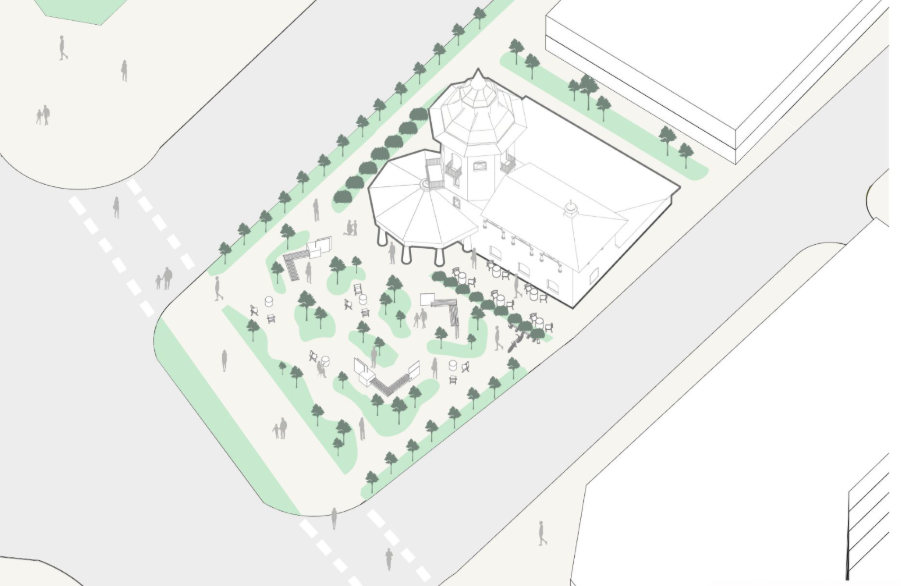
In Mykolaiv, a major city in southern Ukraine that has faced repeated attacks and significant wartime disruption, a neglected early twentieth-century tram substation is being reimagined as a Museum of the City and community hub. By combining heritage preservation with tourism, creative industries, and public engagement, the initiative demonstrates how cultural infrastructure can drive economic renewal, social cohesion, and local identity. Rather than preserving history as a static asset, the project reimagines heritage as a catalyst for recovery and future development.
These initiatives challenge conventional thinking about infrastructure. Public spaces are more than physical assets; they are places where communities connect, participate, and build trust. Heritage is more than something to preserve; it can become a driver of local economic renewal and civic engagement. Healthcare facilities and social infrastructure can do more than deliver services—they can strengthen wellbeing, belonging, and inclusion.
Across the world, communities are facing increasingly complex challenges—from conflict and displacement to climate shocks and rapid urban transformation. Ukraine’s experience offers a powerful example of how recovery can go beyond rebuilding to reimagining how places, community, and culture contribute to resilience, inclusion, and long-term development.
CuRe demonstrates that resilience extends beyond restoring damaged infrastructure. While rebuilding homes, schools, and public services remains essential, sustainable recovery also depends on restoring the social and cultural foundations that enable communities to thrive. By bringing together local governments, cultural practitioners, and civil society, the programme helps communities integrate cultural identity into planning, governance, public space, and economic development.
UNLEASH Europe 2026, young changemakers from across Europe are coming together to explore how the built environment can help communities navigate uncertainty and build resilience. This year, Chemonics International is sponsoring select Partnership Fund for a Resilient Ukraine (PFRU) colleagues to join UNLEASH Europe 2026 to join that conversation, bringing lessons from Ukraine’s recovery journey and engaging with new ideas, approaches, and partnerships from across Europe.
The challenges facing communities may differ, but many share a common question: how do we create places that are not only functional, but inclusive, connected, and resilient? Ukraine’s experience offers one perspective, and we look forward to learning from others.
If you are interested in the role of culture, community, and local leadership in shaping more resilient futures, we would be delighted to connect and continue the conversation.