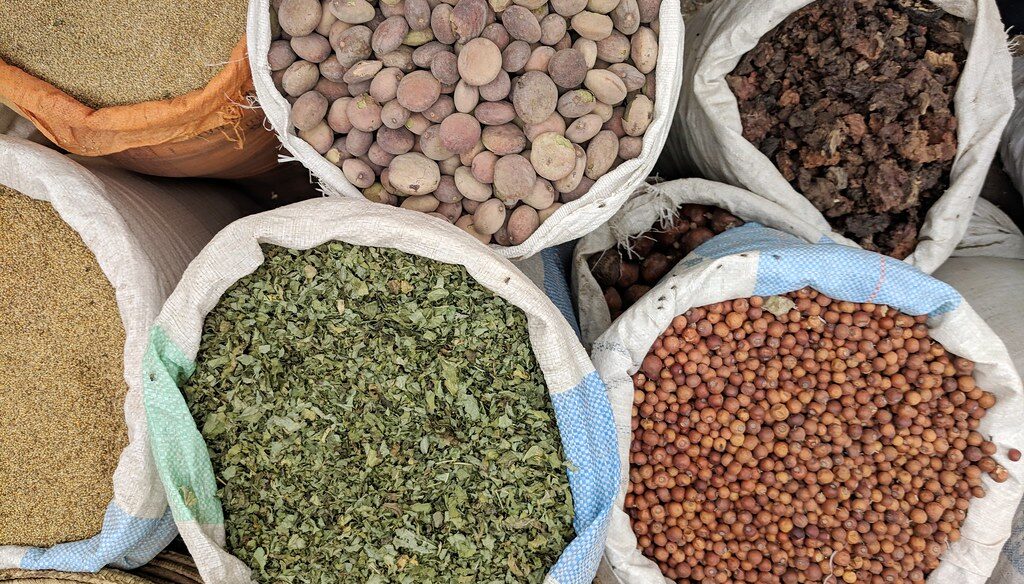
The Democratic Republic of the Congo Livelihood Zone Baseline Profiles Report provides new baseline profiles covering all 34 livelihood zones across the DRC. Created under the Famine Early Warning System Network (FEWS NET), this report offers decision-makers an unprecedented national view of how Congolese households secure food and income in a typical year. By mapping how people in every region make ends meet – from farming and fishing to trade and labor – the baseline data helps pinpoint where communities are most vulnerable to shocks, such as droughts or conflict, and improves how we predict and prevent food crises.
This is a foundational tool for early warning systems and food security planning. With all livelihood zones now profiled, humanitarian and government agencies can compare needs and risks across the entire country – something not possible before. For example, analysts can use this baseline to simulate how a poor harvest or rising prices would affect different regions and anticipate which areas might require assistance. Ultimately, this first-of-its-kind DRC baseline means faster, more targeted action when warning signs appear. This helps donors and Congolese agencies maximize return on investment in long-term solutions tailored to each region’s realities.
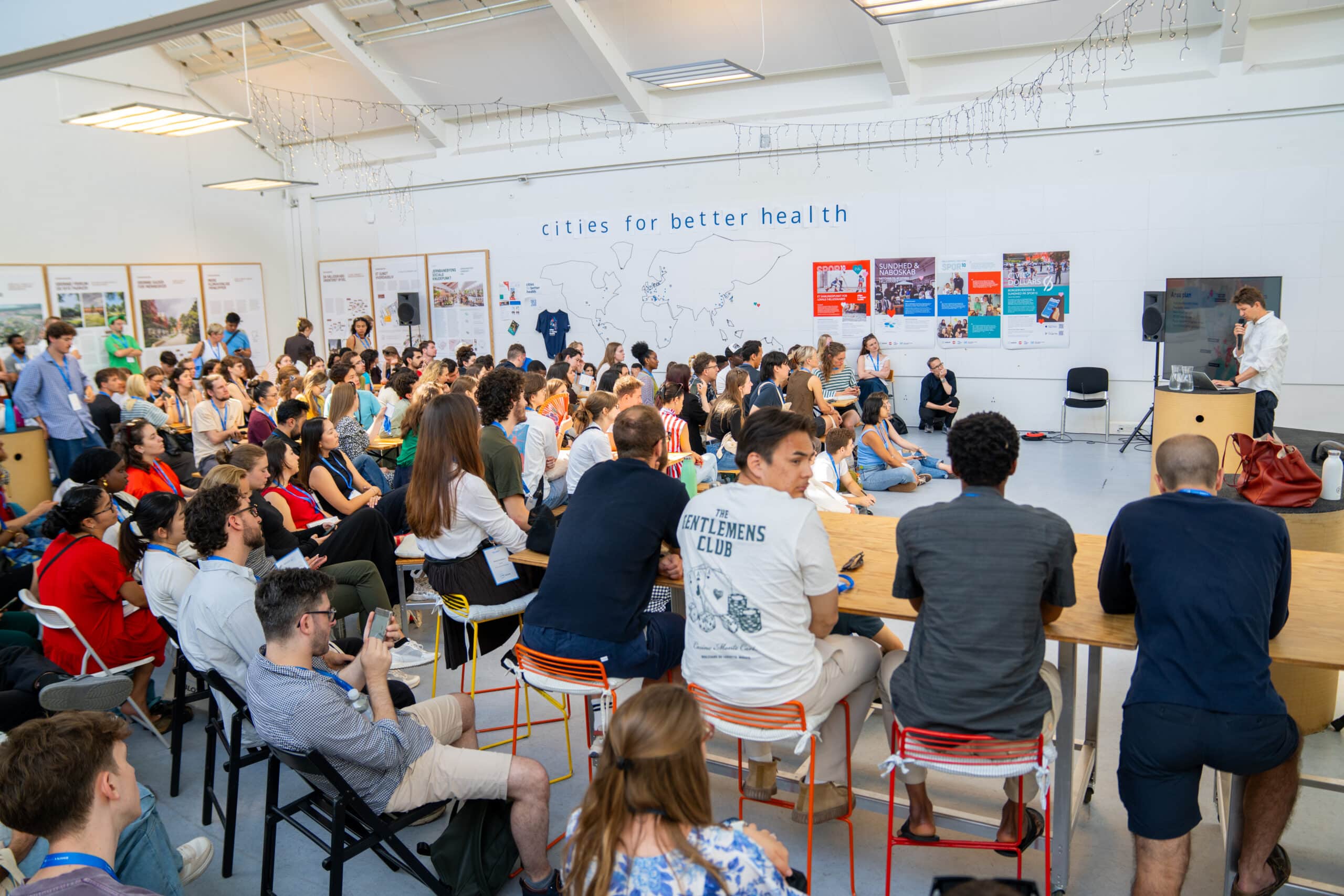
Achieving full national coverage was a massive effort. FEWS NET trained more than 80 local data collectors and worked through difficult conditions, including gaining access to remote locations and navigating complex security challenges. Chemonics then worked with local and international partners to ensure the data was rigorously analyzed, validated, and compiled into profiles for each livelihood zone. The result is a comprehensive baseline dataset that is now publicly available for anyone working to improve food security in the DRC.
Together, these profiles form a vital reference for building a more food-secure future in the DRC, showing where to focus resources today in order to equip communities for tomorrow’s challenges.
Read the full report here. Explore all 34 livelihood zone baseline profiles here.